How Pine Rivers Storms Dictate Modern Roof Engineering
If you own a home in Strathpine, Lawnton, Albany Creek, Bray Park, Kallangur or anywhere else across the Pine Rivers district, you already know that storm season is not something to take lightly. The area sits in one of the most storm-prone corridors of South East Queensland, and that reality shapes how roofs are designed, specified, installed and maintained. In 2026, roofing standards and best practice across Brisbane Northside are driven less by appearance and more by one question: will this roof survive the next severe thunderstorm?
Why Pine Rivers Gets Hit So Hard
The Pine Rivers region, which sits within the Moreton Bay Regional Council area, is exposed to a combination of weather patterns that put roofs under unusual stress. Understanding these patterns explains why local roof engineering has become so specialised.
Severe Thunderstorms and Downbursts
Storm cells often form over the D'Aguilar Range to the west and track east toward the coast during the warmer months, typically from October through to March. As they move across the Pine Rivers valley, they can produce damaging wind gusts, intense rainfall and hail. Localised downbursts can create sudden, short-lived wind speeds well above what a typical afternoon breeze would suggest, and these events load a roof in ways that are very different from steady wind.
Hail Risk
South East Queensland has a long history of damaging hailstorms, and the northwest suburbs of Brisbane are regularly in the firing line. Hail damage https://milotoau317.unionquill.com/posts/5-questions-to-ask-before-accepting-a-roofing-quote affects roofing materials differently. Concrete and terracotta tiles can crack, metal sheeting can dent and lose its coating, and skylights, ridge capping and roof-mounted solar panels are particularly vulnerable.
Ex-Tropical Cyclones and Heavy Rain
While Brisbane is south of the main cyclone belt, ex-tropical cyclones and east coast lows can still deliver strong winds and prolonged heavy rain. The Pine Rivers and Caboolture river catchments also mean that rain events can be significant, so roof drainage capacity matters as much as roof strength.
The Standards Behind Storm-Ready Roofs
Roof engineering in Queensland is governed by the National Construction Code (NCC) and the Australian Standards that sit beneath it. Brisbane Northside falls within a defined wind region, and the specific design wind speed for your property depends on several factors.
- Wind region: Most of Brisbane is classified as Region A or, in some exposed locations, requires closer assessment, with higher design wind speeds applying to areas prone to tropical cyclones.
- Terrain category: Whether your property is surrounded by open paddocks, established suburban streets or dense bushland affects how wind interacts with your roof.
- Topography: Homes on ridges, hilltops and elevated slopes, which are common around Albany Creek, Eatons Hill and Cashmere, experience wind speed-up effects and need higher design capacity.
- Shielding: Nearby buildings and trees can reduce wind loads, though engineers are cautious about relying on vegetation that may fall or be removed.
- Building height and roof shape: Pitch, overhang size and roof geometry all change the pressures acting on the structure.
Most homes built or substantially renovated after the late 1980s were designed with these considerations in mind, following the lessons learned from Cyclone Tracy. Older homes in established Northside suburbs may predate these requirements, which is why a roof inspection and upgrade assessment is worthwhile for houses of that era.
How Storm Conditions Shape Roof Design
Tie-Down and Connection Systems
One of the most important principles in modern roof engineering is the idea of a continuous load path. Wind does not just push on a roof; it creates uplift, trying to lift the roof off the house. A properly engineered roof ties every component together, from the roofing material to the battens, battens to the rafters or trusses, trusses to the wall frame, and the wall frame to the slab or footings.
Common elements include cyclone straps, tie-down rods, structural screws and engineered brackets. In storm damage assessments, failures often occur at these connection points rather than in the roofing material itself, which is why correct fixing is so critical.
Fixing Schedules for Tiles and Metal
Roofing materials must be fixed according to the manufacturer's specifications and the wind classification of the site. For concrete and terracotta tiles, this commonly means mechanically fixing every tile in higher wind areas and ensuring that ridge and hip capping is secured with appropriate mechanical fixings, not just mortar bedding. Older mortar-only ridge capping is a well-known weak point and often deteriorates over time.
For metal roofing, the number, type and spacing of fasteners matters. Fixings are typically closer together at roof edges, corners, ridges and eaves, where wind pressures are highest. Screw corrosion and loosened fasteners over time can reduce a roof's resistance, so periodic checks are important.
Eaves, Overhangs and Gable Ends
Wide eaves are popular in Queensland for shade and cooling, but they can attract significant uplift in strong winds. Engineers consider overhang width, soffit lining fixings and gable end bracing carefully. Gable ends in particular can be vulnerable if they are not properly braced, as wind can pressurise the roof space and push the end wall outward.
Roof Pitch and Shape
Hip roofs generally perform better in high winds than gable roofs because their sloping surfaces on all sides reduce the exposed flat areas wind can catch. Moderate pitches are often favoured in cyclonic and storm-prone areas as they balance uplift forces and water shedding. Complex roof shapes with many valleys and penetrations need extra attention to flashing and waterproofing.
Material Choices for Pine Rivers Conditions
Metal Roofing
Colorbond and similar steel roofing systems are popular across Brisbane Northside because they are lightweight, durable and well-suited to engineered tie-down. Heavier gauge profiles and thicker base metal thickness perform better against hail impact. Light-coloured options also help reflect heat during Queensland summers, which is an added benefit for energy efficiency.
Concrete and Terracotta Tiles
Tiles remain common across Pine Rivers homes. They offer excellent thermal performance and longevity, but they are heavy and rely on correct fixing to resist wind. Cracked or slipped tiles after a storm are common, and impact from hail or flying debris can cause hidden damage that leads to leaks later. Regular inspection and prompt replacement of damaged tiles prevents small problems from becoming larger ones.
Emerging Options
In 2026, impact-resistant roofing products and tested hail-rated systems are increasingly discussed by homeowners and insurers alike. Some manufacturers now publish impact resistance data, and it is worth asking about this when comparing roofing materials for a re-roof or new build. Looking ahead to 2027 and beyond, expect continued attention on resilience testing and performance-based product ratings across Queensland.
Drainage: The Often-Overlooked Storm Factor
Intense rainfall can overwhelm undersized gutters and downpipes in minutes. Queensland practice has moved toward higher-capacity guttering, overflow provisions and larger downpipes to cope with short-duration, high-intensity rainfall. Key considerations include:
- Choosing gutter sizes appropriate to roof catchment area and local rainfall intensity.
- Installing adequate downpipes, with correct spacing and positioning.
- Including overflow measures, such as slotted gutter fronts or rainheads, so water spills away from the building rather than back into the roof or eaves.
- Using leaf guards or regular cleaning to prevent blockages, particularly where properties are near mature gum trees.
- Ensuring stormwater is directed away from the foundations and into legal points of discharge.
Solar Panels and Roof Penetrations
Solar is extremely common across Brisbane Northside, and panels add both wind load and hail exposure to a roof. Installations should be designed with the roof structure in mind, with mounting rails fixed into rafters or trusses rather than just the roofing sheet or tile. Penetrations through the roof must be properly flashed and sealed. After a significant storm, it is wise to have both the panels and the roof underneath checked, as damage to flashing or fixings is not always visible from the ground.
Vegetation and Surrounding Risks
Many Pine Rivers properties are established, tree-lined or backing onto bushland and creek corridors. Falling branches and wind-borne debris cause a large share of storm-related roof damage. Practical steps include:
- Trimming overhanging branches well before storm season starts, in line with local council rules and any tree protection requirements.
- Securing or removing loose outdoor items, such as trampolines, umbrellas and patio furniture, that can become projectiles.
- Checking the condition of fences, sheds and carports, which can detach and strike a main roof.
Pre-Season Roof Checks: A Practical Guide
The best time to prepare your roof is before the storm season arrives, ideally in August or September. A thorough inspection should cover:
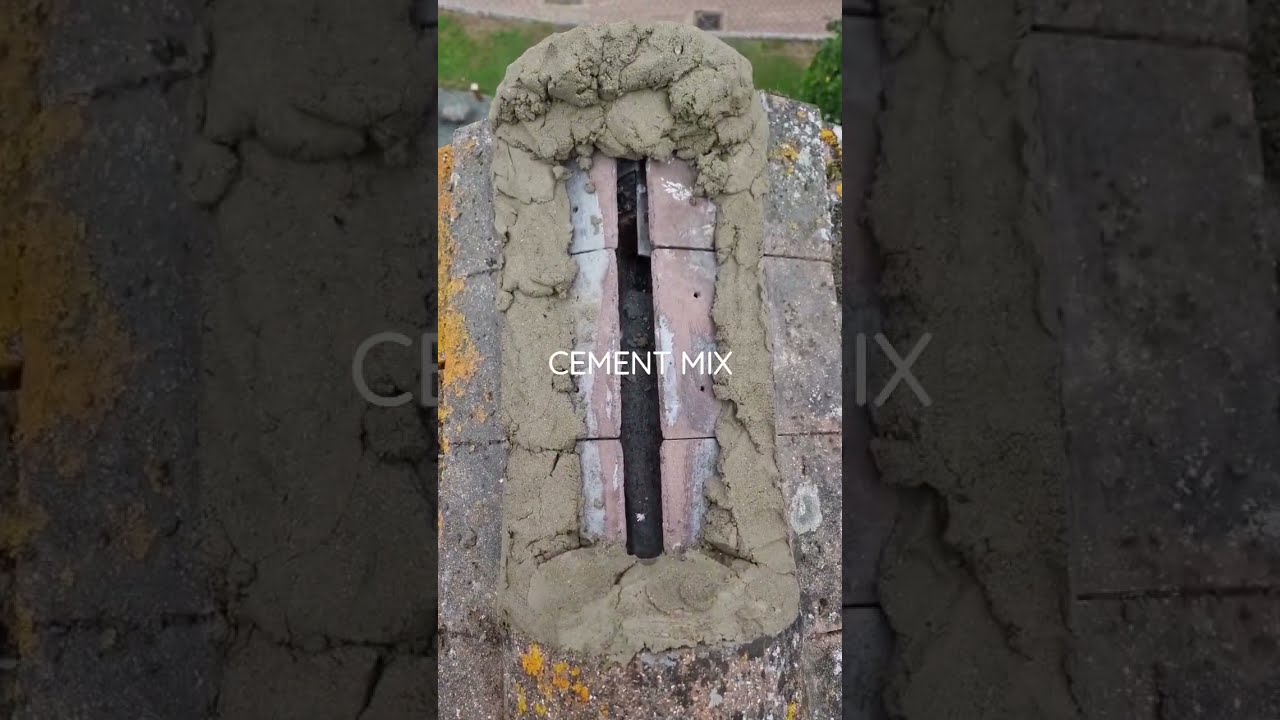
- Cracked, slipped or missing tiles, and the condition of ridge and hip capping.
- Loose, rusted or backed-out screws on metal roofing.
- Deteriorated flashings around chimneys, skylights, vents and solar penetrations.
- Gutter condition, blockages, sagging sections and rust.
- Signs of water staining or daylight in the roof space.
- Condition of sarking and insulation, which can be disturbed by wind-driven rain.
A licensed roofer or building professional can also assess whether your roof's tie-down is adequate, particularly for older homes. Where upgrades are needed, retrofitting additional fixings, replacing mortar-bedded capping with mechanically fixed systems and improving gutter capacity are practical, cost-effective options.
After a Storm: What to Do
If a severe storm has passed through your suburb, safety comes first. Stay clear of fallen power lines and unstable structures. Contact the SES on 132 500 for emergency help with damaged roofs, and document damage with photos for your insurer before temporary repairs are carried out. Temporary tarping is usually appropriate to prevent further water entry, but permanent repairs should be completed by a qualified professional. Be cautious of unsolicited door-knockers after storm events, as storm-chasing operators are a recognised problem. Always check licences with the Queensland Building and Construction Commission (QBCC).
Insurance and Documentation
Keeping records of your roof's age, materials, maintenance history and any upgrades can make insurance claims smoother. Insurers in South East Queensland pay close attention to storm risk, and roof condition can influence premiums and claim outcomes. Regular maintenance and documented inspections help demonstrate that your roof has been properly cared for.
Final Thoughts
Pine Rivers storms are a fact of life, and they have fundamentally shaped how roofs are engineered across Brisbane Northside. From continuous tie-down systems and mechanically fixed capping to high-capacity drainage and hail-conscious material choices, modern roof design is a direct response to local weather. Whether you are planning a new build, a re-roof or simply want peace of mind before the next storm season, a proper inspection by a qualified local roofing professional is the smartest first step. A well-engineered, well-maintained roof protects not just your home, but everything and everyone inside it.

Brisbane Northside Roof Restoration
Unit 3/3 Harvton St, Stafford QLD 4053
(07) 3130 0990